
For grown-ups

Parent & Teacher Guide

Discussion questions, lesson ideas, and reading tips for every read-along book — built for families at bedtime, classrooms, Sunday school, and small groups.

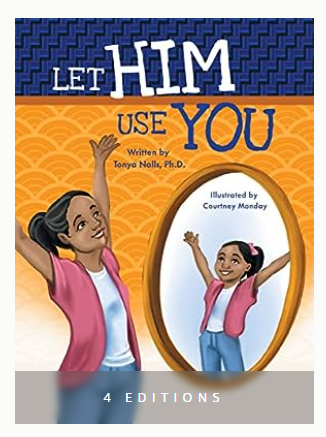
Let Him Use You cover

Ages 4–10 · 25 pages

Let Him Use You

God uses ordinary, imperfect people. Every person in this book had a weakness, a fear, or a past — and God still had a purpose for them.

"For we are God's handiwork, created in Christ Jesus to do good works, which God prepared in advance for us to do." — Ephesians 2:10

Discussion questions

Before you read

  • ◆Look at the cover together. Who do you think God might want to use?
  • ◆Can God use someone who makes mistakes? Why or why not?
  • ◆What is something you are really good at? Where do you think that came from?

While you read

  • ◆This person was afraid. Have you ever been afraid to do something you knew was right?
  • ◆What did God see in this person that other people missed?
  • ◆God did not wait for them to be perfect. Why do you think that matters?
  • ◆Which person in the book reminds you most of yourself?

After you read

  • ◆Which story stayed with you the longest? Why that one?
  • ◆Name one thing you could do this week to let God use you.
  • ◆Who in our family or neighborhood needs help right now?
  • ◆If God wrote a page about you, what do you hope it would say?

Lesson ideas

  • Bible character match-up

    Write each name from the book on a card and each description on another. Have children match them, then look up one story together in a children's Bible and compare it to the book's version.

  • "God still used them" poster

    Fold a paper in half. On the left, draw the weakness or fear. On the right, draw what God did through that person anyway. Hang them side by side.

  • My own page

    Using the printable PDF as a model, let each child write and illustrate a page about themselves: their name, one thing that is hard for them, and one way God can use them.

  • Service challenge

    Pick one small act of service to complete before the next reading — a note, a chore, a phone call to a grandparent — then talk about how it felt.

Reading tips

  • ◆Play the narrated read-along once straight through, then read it again together at your own pace so children can chime in.
  • ◆Pause on the illustrations. Ask "what is happening here?" before reading the words.
  • ◆Let early readers read the names aloud while you read the sentences.
  • ◆Keep it short — ten to fifteen minutes is plenty for younger children. Come back tomorrow.
  • ◆Print the PDF for car rides, waiting rooms, and bedtime when screens are not an option.
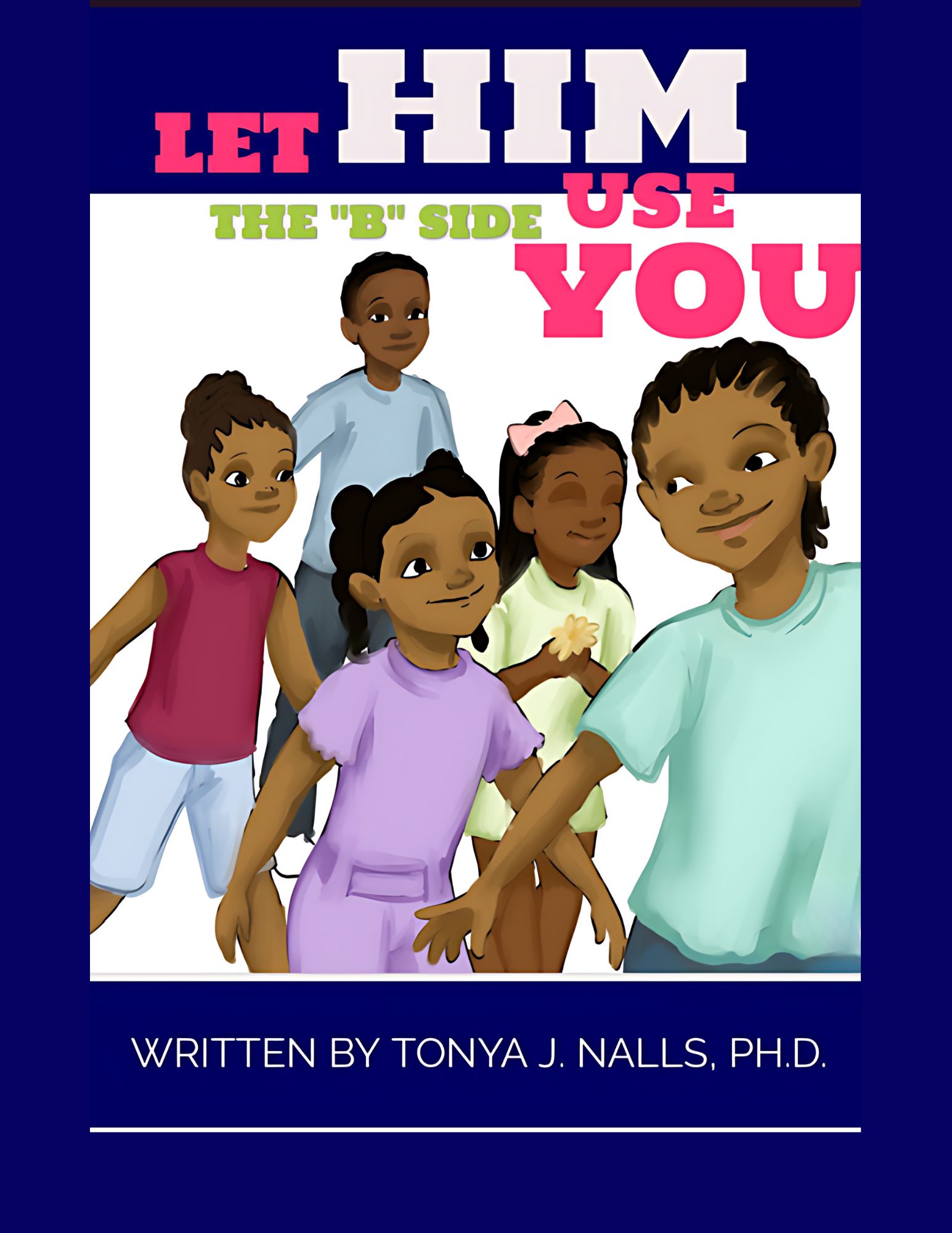
Let Him Use You: The "B" Side cover

Ages 6–12 · 101 pages with activities

Let Him Use You: The "B" Side

Spiritual gifts are real, they come from God, and they show up in everyday life. Children meet friends who discover their gifts and put them to work serving others.

"Each of you should use whatever gift you have received to serve others." — 1 Peter 4:10

Discussion questions

Before you read

  • ◆What do you think a "gift" from God looks like? Is it something you unwrap?
  • ◆Who in our family is good at encouraging people? At fixing things? At noticing when someone is sad?
  • ◆What would you like to be known for?

While you read

  • ◆Which friend in the story are you most like?
  • ◆What gift is this character using right now? How can you tell?
  • ◆Someone needed help on this page. What would you have done?
  • ◆Was it easy or hard for this character to use their gift? Why?

After you read

  • ◆What gift do you think God has given you? What makes you say that?
  • ◆What gift do you see in the person sitting next to you? Tell them.
  • ◆Where could you use your gift this week — at home, at school, at church?
  • ◆What is the difference between showing off a gift and serving with it?

Lesson ideas

  • Take the assessment together

    The book includes a spiritual-gifts assessment. Work through it as a family or class, then let each person share their top result and one place they could use it.

  • Gift spotting week

    Keep a chart on the fridge or classroom wall. Each day, write down one gift you caught someone else using. Read the list aloud at the end of the week.

  • Color and commit

    Use the coloring and activity pages from the printable PDF. On the back of each finished page, have the child write one sentence: "I can use my gift by ___."

  • Small-group session plan

    Thirty minutes: read two scenes aloud (8 min), discuss three questions from the list (10 min), complete one activity page (8 min), close with prayer thanking God for each child's gift by name (4 min).

  • Serve as a group

    Plan one group project where each child contributes with their own gift — a card-writing night, a food drive, or a clean-up. Debrief afterward: "what did your gift add?"

Reading tips

  • ◆This book is longer. Read it in four or five sittings rather than all at once — the player remembers where you left off when you use the page slider.
  • ◆Turn on "play straight through" for a story hour, or turn it off to stop and talk after each page.
  • ◆The activity pages work best on paper. Print the PDF before a class or group session.
  • ◆Older children can read a character's lines aloud while the narration handles the rest.
  • ◆Ask the AI story guide on the read-along page when a question comes up you would like help answering.

Using these books with a group?

Dr. Nalls facilitates seminars, curriculum sessions, and one-on-one coaching around spiritual gifts and purpose — and can be secured as your presenter.